Blisters are one of the most common reasons players finish a session limping. They are also one of the most preventable. A blister needs three things: friction, heat and moisture. Remove any of them and you are much less likely to get one.
Why football boots cause blisters
Football is hard on feet. Every sprint, stop and change of direction pushes your foot forward, backward and sideways inside the boot. If anything can slide, whether the foot inside the sock or the sock inside the boot, the same patch of skin is rubbed hundreds of times in training or during a match.
Add heat from running and sweat from 90 minutes of effort, and the skin softens and separates. The usual spots are the back of the heel, the big toe, the little toe and the ball of the foot.
The main culprits:
- Boots that do not fit. Too big, and the foot slides; too narrow, and it presses on the same spot all game.
- New boots. Stiff materials and seams that have not softened yet.
- Wet socks. Damp skin blisters much faster than dry skin.
- Socks that slide or fold. Loose fabric creases and rubs.
How to prevent blisters
Get the fit right
Your boot should be snug at the heel, with about a thumbnail of space in front of the longest toe. If your heel lifts when you walk, the boot is too big or not laced firmly enough. Try boots on with the socks you play in.
Break in new boots gradually
Wear new boots for short, light sessions before a full match. Let the upper soften and shape to your foot, and watch for spots that rub.
Stop the sliding
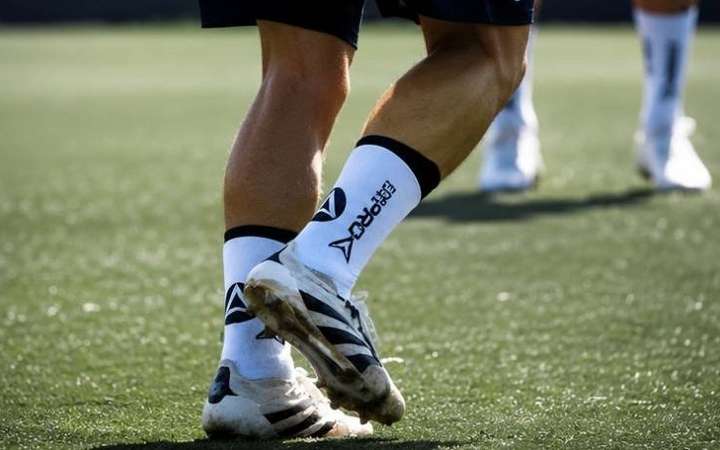
This is where your socks matter as much as your boots. A close-fitting grip sock holds the sock to the insole and the foot to the sock, so there is far less movement to create friction. That is why many players who suffer from blisters switch to grip socks.
Keep feet dry
Choose socks made of technical fibres that move sweat away from the skin, not cotton, which holds water. Change into dry socks between training and a match, and let your boots dry out completely between sessions.
Protect the known hot spots
If you always blister in the same place, put a blister plaster or a thin layer of sports tape on that spot before you play, not after it starts to hurt.
What to do when you feel a hot spot
A hot spot is the burning feeling before a blister forms. Deal with it immediately:
- Stop, if you can, and check the spot.
- Cover it with a blister plaster or tape.
- Fix the cause: re-lace the boot, smooth out the sock, change into a dry pair.
If you already have a blister
- Do not pop it if you can avoid it. The skin on top protects the area underneath.
- Cover it with a blister plaster, which cushions it and helps it heal.
- Keep it clean and dry.
- Get advice from a pharmacist or doctor if it is very painful, keeps you from playing, or shows signs of infection (redness spreading, warmth, pus). This matters even more if you have diabetes or poor circulation.
Socks that work against friction
The right sock tackles friction from several sides at once:
- grip that stops the foot and the sock sliding;
- a close, anatomical fit with no folds;
- smooth, low-friction zones where the boot rubs most;
- breathable fibres that keep the skin dry.
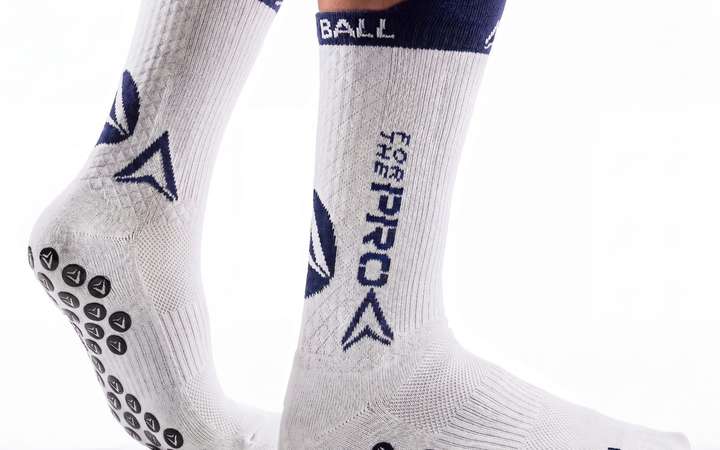
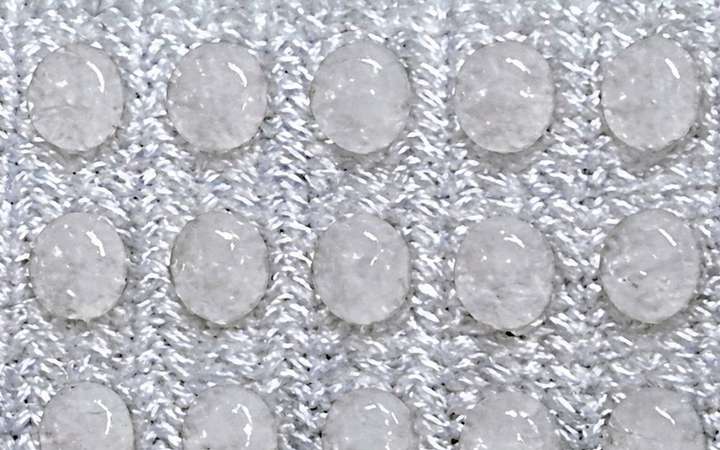
FOR THE PRO socks are built around these points: grip zones on the sole, an internal grip system, low-friction areas around the high-rub spots, cushioning in the impact zones and technical fibres for moisture management. One size for EU 41 to 45. To compare them with other socks, read how to choose grip socks for football. Or see the football grip socks.