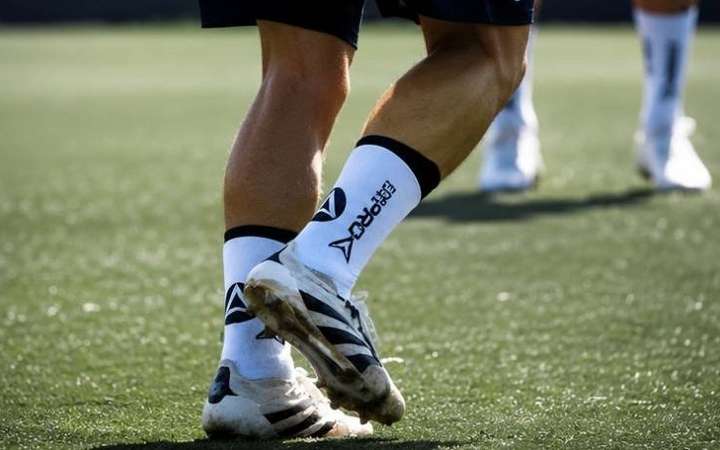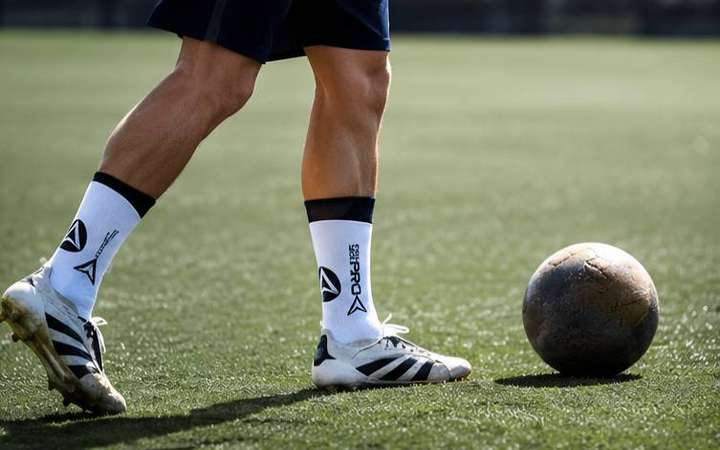
Grip socks are football socks with grip pads on the sole. The pads hold the sock to the insole of your boot, so your foot stops sliding around inside it. That is the whole idea, and it is why you now see them on almost every professional pitch.
This guide explains what grip socks are made of, what they actually change on the pitch, and how to wear them with your team kit.
What grip socks are
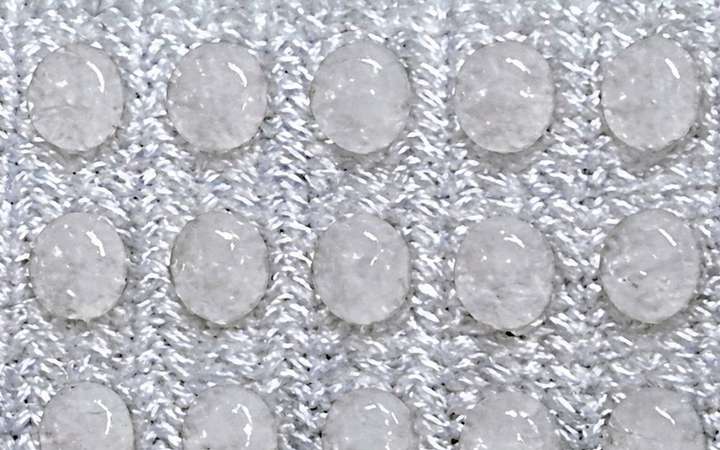
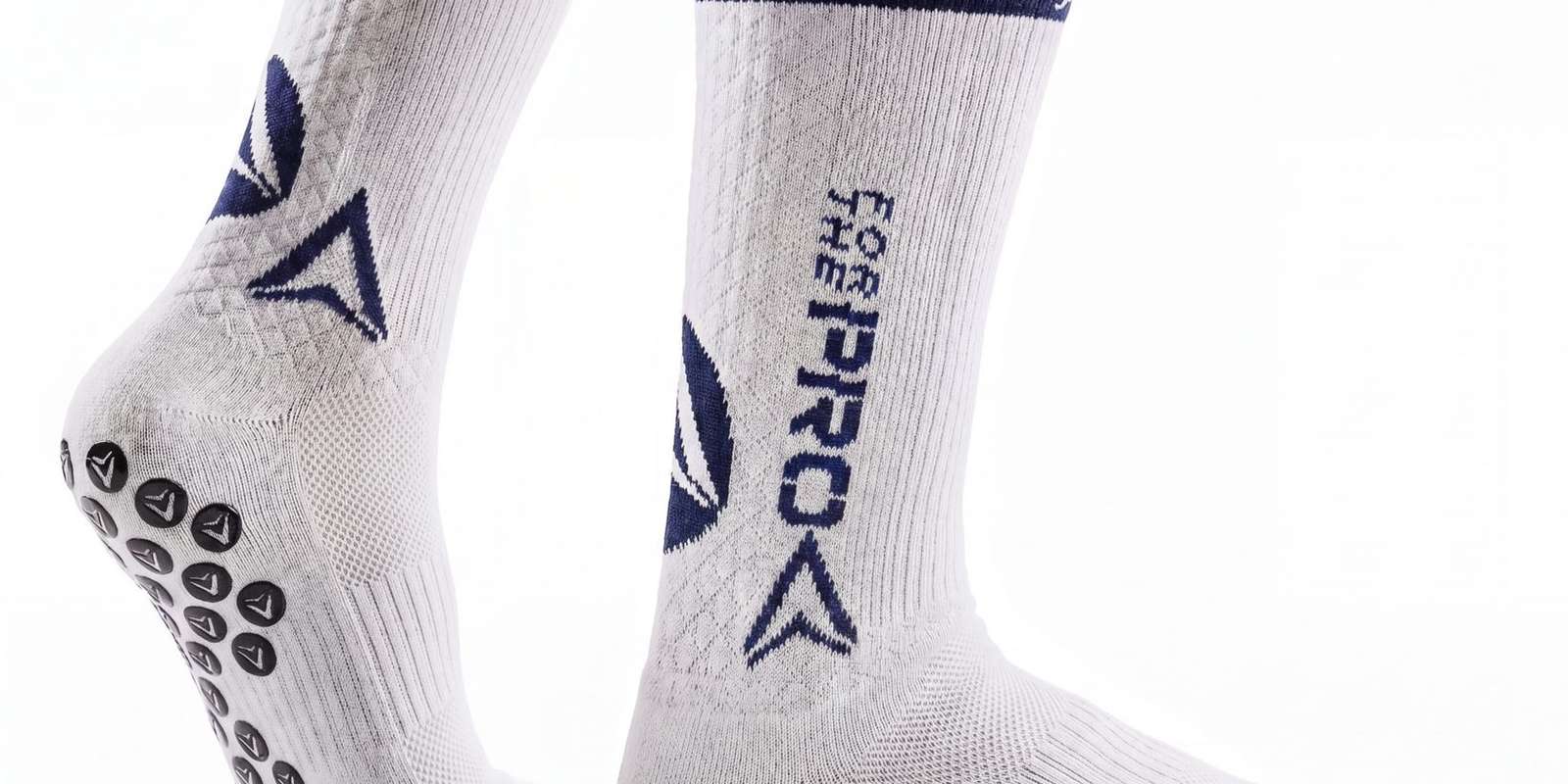
A grip sock is a short, close-fitting sock, usually ending around mid-calf, with small pads of silicone or rubber on the sole. Some also have pads or bands on the inside. The fabric is usually thinner in places where you want to feel the ball and thicker where your foot takes impact.
A normal sock sits between two smooth surfaces: your skin and the inside of the boot. When you sprint, stop or change direction, the sock slips against the insole and your foot moves a few millimetres before the boot does. Grip pads remove most of that slip.
How they work
Every time you plant your foot to accelerate, stop or turn, the force has to travel from your foot, through the sock, into the boot and into the ground. If the sock slides on the insole, part of that movement is spent inside the boot instead of on the pitch.
Grip socks lock three layers together:
- The pads on the sole grip the insole, so the sock cannot slide inside the boot.
- A close fit holds the sock to your foot, so your foot cannot slide inside the sock.
- The boot grips the pitch with its studs, as it always did.
With all three locked, your foot, sock and boot move as one. Players describe it as feeling “connected” to the boot.
Do grip socks really help?
They help with what they are designed for, and it is worth being precise about that.
- Less sliding inside the boot. This is the main effect, and you feel it the first time you sprint in them.
- Sharper changes of direction. When the foot does not slide, cuts and stops respond faster, because nothing has to settle inside the boot first.
- Less friction on the skin. Sliding is one of the main causes of hot spots and blisters. Less movement means less rubbing. (More on that in our guide to stopping blisters from football boots.)
- A cleaner feel for the ball. Thin zones at the contact points let you feel the ball through the boot without a thick sock in the way.
What they do not do: they will not replace good boots that fit, and they will not fix a boot that is a size too big. They also will not add pace on their own. They remove a source of wasted movement, which is why players at every level now use them.
How to wear grip socks with your team socks
Your team socks still matter: they cover your shin guards and carry the team colours. Players combine the two in one of three ways.
- Grip sock underneath, team sock cut at the ankle. The most common pro setup. You cut the foot part off the team sock, wear the grip sock on your foot, then pull the team sock over it like a sleeve. We explain why players cut their socks, and how to do it cleanly, in why footballers cut their socks.
- Pre-cut sleeves over the grip sock. Some teams buy footless sleeves in the club colours, so nobody has to cut anything.
- Grip sock underneath, full team sock on top. Works, but two layers in the boot can feel bulky and warm.
Then add your shin guards between the grip sock and the sleeve, or on top of the grip sock, depending on what you prefer.
Colour check: under Law 4 of the Laws of the Game, tape or any material worn on the outside of your socks must be the same colour as the sock it covers. If a white grip sock shows below a coloured team sock, check what your league’s kit rules allow.
What to look for when you buy grip socks
The short version: pads where your foot presses on the sole, a fit that holds the foot without squeezing, fabric that breathes, and a size that matches your boot size. We go through each point in how to choose grip socks for football.
FOR THE PRO grip socks
FOR THE PRO makes football socks for players who want the boot to feel like part of the foot. Each of our three designs, V1, V2 and V3, comes in two versions, with the same materials and construction:
- Football grip socks, with grip zones on the sole and an internal grip system at the ankle.
- Football socks, the same sock with the internal grip system, without the grip zones on the sole.
Both have thin sensitivity zones at the ball-contact points, cushioning where the foot takes impact, low-friction areas around the high-rub spots, and breathable technical fibres. They come in one size for EU 41 to 45.
You can mix designs in one order. From 7 pairs you get the Season Pack (-7%), from 18 pairs the Team Pack (-12%), and shipping is free over €49.90. See the football grip socks.